Can Bed Bugs Live Outside? How Long They Survive And What Kills Them
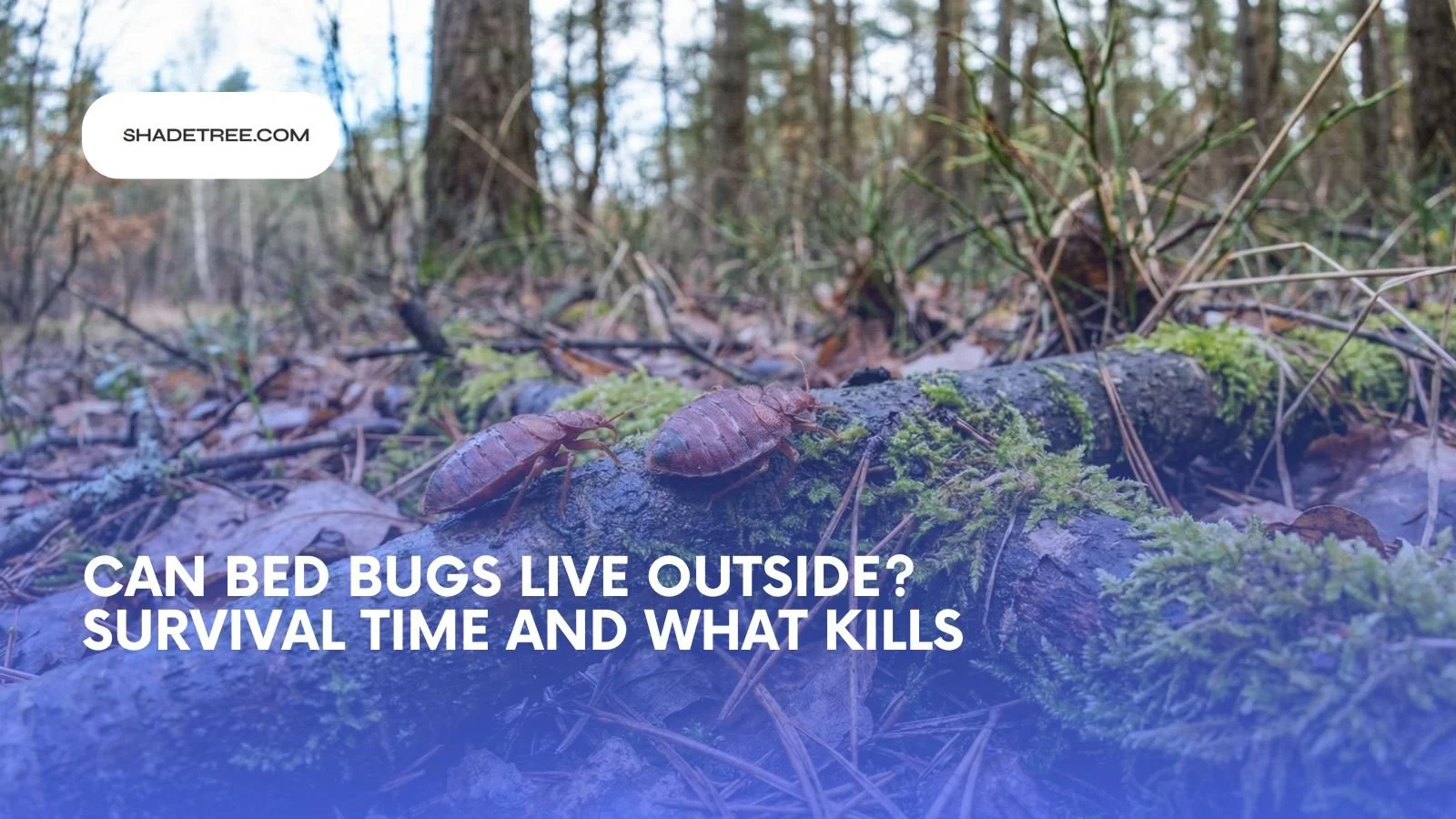
Bed bugs can stay outside for a little while, but they can't live there for long. They need to be warm and feed on human blood to stay alive. Rain, cold, and predators quickly kill them outside. They might last a few weeks in shady or protected spots, but they won't do well there. This article talks about how long they live, what kills them, and why they always go back inside.
What Instantly Kills Bed Bugs?
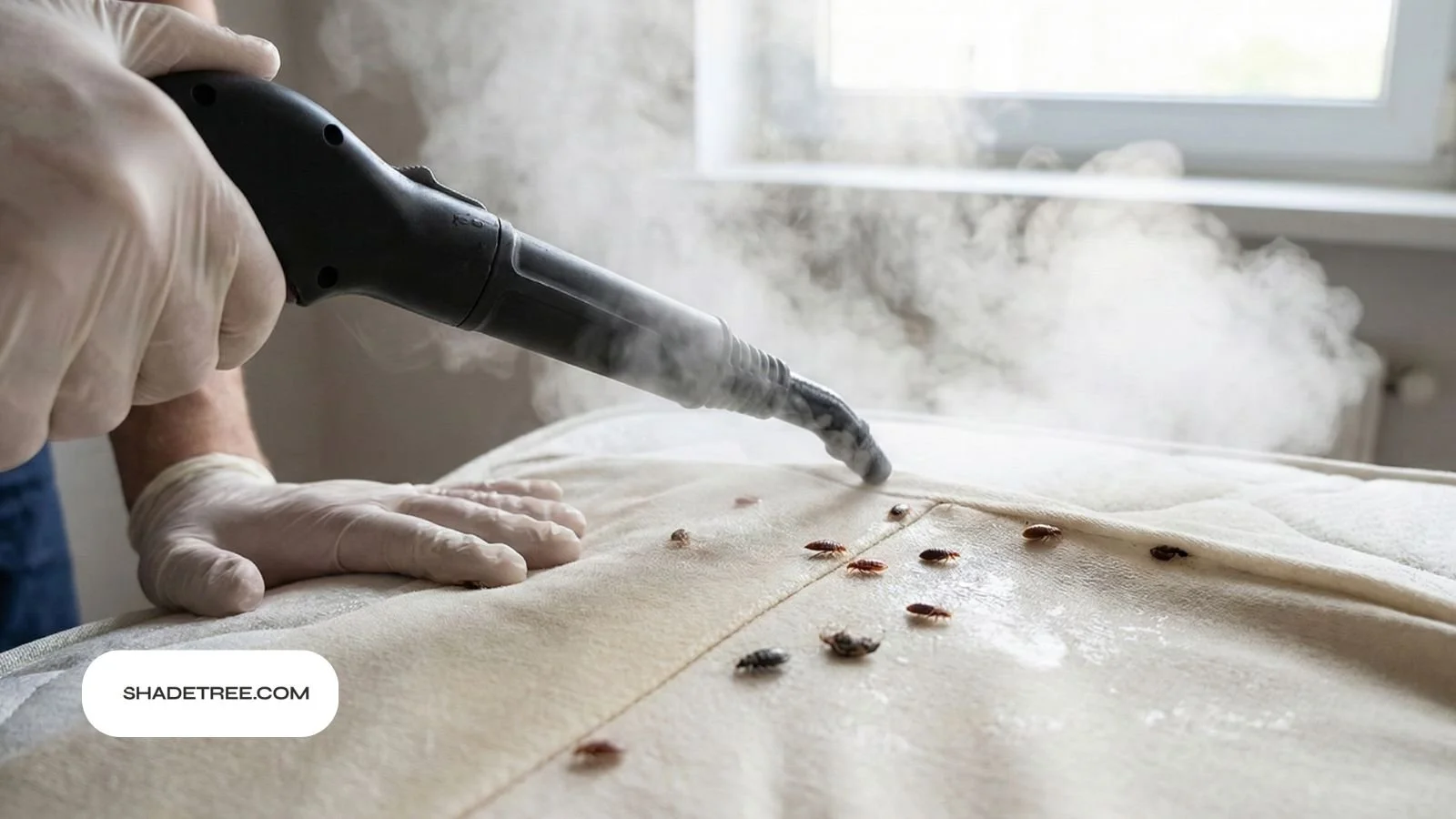
Bed bugs die quickly when they are exposed to high heat or certain chemicals. Most experts agree that raising a room's temperature to 130°F can kill bedbugs at all stages of their life. Hot water also helps stop a bed bug infestation by washing clothes and other things that are infested. These bugs, however, often don't work with sprays or alcohol because they hide deep in furniture and walls, which makes it hard to get rid of them all.
Proven Kill Methods
Hot treatments kill a lot of bugs and their eggs in places where they like to hide, like box springs and upholstered furniture. Presidio Pest Management says that professional pest control workers use heat and safe chemicals to kill bugs right away and keep them from spreading inside.
Heat treatment: 130°F heat kills bed bugs, eggs, and larvae within several days.
Steam cleaning: Helps reach cracks in furniture, walls, and mattresses.
Pesticide dust: Works on contact but must be handled with care.
Hot water wash: Effective for infested clothes, bedsheets, and bags.
Limitations of Contact Killers
Rubbing alcohol, hydrogen peroxide, and cleaning sprays only work when they touch the bugs directly. These methods might cause the bugs to hide deeper and lay more eggs. Bed bugs live near food sources like humans and pets, so professional treatment ensures they die completely. The EPA also recommends using integrated pest control for lasting results.
False sense of control: DIY sprays may kill some bugs but miss eggs.
Reinfestation risk: Bugs spread to new hiding places like cracks or furniture.
Better results: Professionals use high heat to reach deep areas in your house.
Where Can Bed Bugs Not Survive?

Bedbugs can stay outside for a little while, but they won't do well there. They die quickly in the cold, rain, and predators outside. They can live for up to four months without food, and even longer if their metabolism slows down in cooler temperatures. Most of the time, they don't hide in grass or dirt; they hide in your pet's bed, patio furniture, or furniture you buy from someone else.
Harsh Outdoor Conditions
PestBear explains that bed bugs will die if they are in very cold temperatures, water, or direct sunlight. Pests that usually live and eat in doors won't be as comfortable in the changing temperatures of the outdoor environments.
Cold exposure: Below -0.4°F kills them after several days.
Rain and humidity: Water destroys their bodies.
Predators: Pharaoh ants, cockroaches, and spiders act as natural enemies.
Preventing Outdoor Reinfestation
When infested mattresses or furniture are thrown outside, bugs travel to new hiding spots. Always inspect second hand furniture, bags, or clothes before bringing them indoors. Wash all clothing in hot water and dry on high heat.
Inspect carefully: Check for black spots or live bugs.
Seal cracks: Prevent entry into your apartment or house.
Keep pets safe: Clean your pet’s bed often to rid the area of pests.
Can Bed Bugs Survive in the Cold Outside?
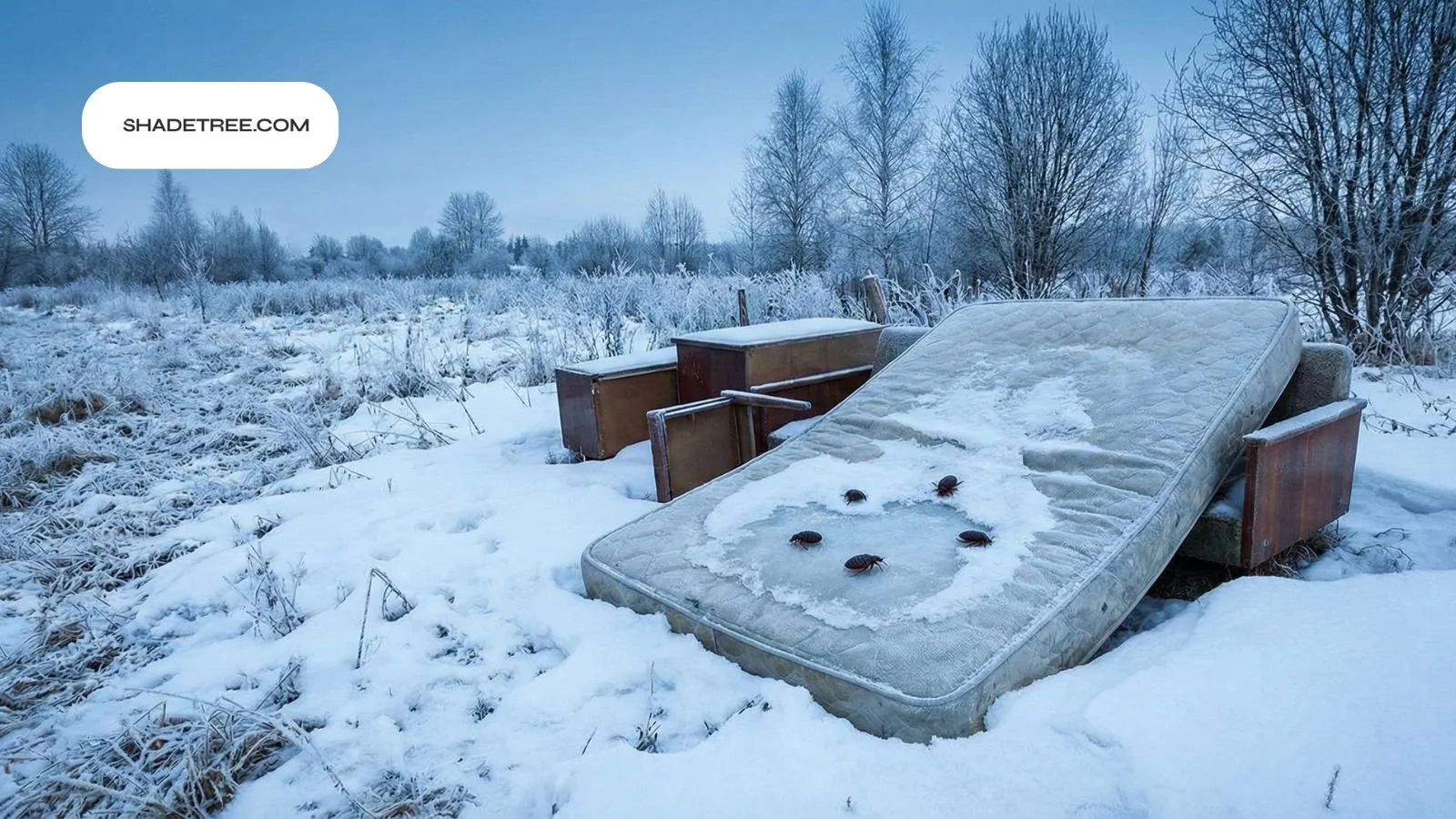
Bed bugs can live for a little while in cold weather, but only if the conditions are right. These pests will die if the temperature is below freezing for a few days. Specter Pest Control says that bed bugs begin to have problems below 46°F and die after a few days at 14°F. They can, however, stay safe from the cold in insulated hiding spots or furniture.
Temperature Thresholds That Kill Bed Bugs
Cold weather slows down their metabolism, which lets some bugs live longer without having to eat. When it gets cold, they go inside to find people, animals, and heat sources that give off carbon dioxide.
Freezing limits: At 0°F, bed bugs die after several days of exposure.
Insulated shelters: Outdoor furniture and walls protect them from frost.
Indoor migration: When the lawn gets cold, bed bugs travel inside to feed.
Warmth and CO₂: These attract bed bugs to humans and animals at night.
Why Freezing Isn’t a Reliable DIY Treatment
Leaving infested furniture or bags outdoors doesn’t guarantee the bugs will die. Insulated materials trap heat, helping them survive. Specter Pest Control notes that professional freezing treatments maintain consistent subzero temperatures that eliminate every stage of life, including eggs and larvae.
Limited exposure: Outdoor cold rarely stays low enough for long.
Hidden protection: Bugs hide deep inside wood or cracks.
Better control: Professionals use equipment to maintain freezing temperatures.
Seasonal survival: Bugs survive winter by moving into indoor areas with stable heat.
Why Shouldn’t You Squish Bed Bugs?
Squishing bed bugs might seem like a quick way to get rid of them, but it often makes bed bugs worse. When you crush them, their blood, waste, and eggs get spread all over your property. Stride Pest Control says that this spreads disease and makes pest problems more likely.
Biological and Contamination Risks
When crushed, bed bugs release bacteria and allergens that may attract other pests. Waste stains fabrics and furniture and can trigger skin irritation or allergies in humans and animals.
Egg spread: Squishing helps bugs reproduce faster under the right conditions.
Health hazard: Blood and waste can cause reactions or infections.
Cross-contamination: Bugs spread through bags, clothes, or walls at night.
Property and Hygiene Concerns
Squishing also damages furniture, bedding, and clothing. It doesn’t stop an infestation but encourages the bugs to hide and lay more eggs. Stride Pest Control recommends vacuuming, washing with hot water, and using professionals to ensure safety.
Stains and odor: Blood leaves permanent marks on outdoor furniture or fabrics.
Hidden survivors: Bugs hide in cracks or near animals’ beds.
Safer options: Cleaning, sealing entry points, and calling experts prevent reappearance of ticks and bed bugs.
Final Thoughts
Bedbugs can live outside for a little while, but they need to feed on humans or animals to stay alive. They can’t handle rain or sunlight, and they die quickly in the cold. They might hide for a couple of days in patio furniture or on the grass, but they are quickly killed by natural predators like ants and spiders. After they get inside, bed bugs go to beds, walls, and furniture at night so they can feed on warmth and carbon dioxide. They don't have much time to live outside, and even in the right conditions, they die quickly. To keep your things safe, look through bags, wash clothes in hot water, and don't throw furniture that has bugs on it outside. Sealing cracks and cleaning often stop bed bugs and other pests from spreading in your home or apartment. Pest control experts can get rid of these bugs more quickly and safely.
FAQs
Can bed bugs live outside with natural predators?
Bed bugs can live outside briefly, but natural predators like ants, ticks, and spiders kill them fast.
Do bed bugs travel from outdoor furniture to my house?
Yes, bedbugs travel through cracks, bags, or infested items and reach your property or indoor spaces.
How long can bed bugs live on the lawn?
They can live only a few days unless they find the right conditions and food from humans or animals.
Can bedbugs survive if the temperature is cold?
No, extreme cold kills them, and natural predators make survival even harder outdoors.
What helps stop bedbugs and other pests?
Washing clothes, vacuuming, sealing walls, and cleaning outdoor furniture reduce pests and help natural predators control bugs.
