Why Is My Toilet Whistling? Causes, Risks, And Easy Fixes
It's normal for a toilet to whistle sometimes, but that can be a sign that something in your plumbing system is broken. The noise usually comes from water pressure problems, a worn fill valve, or parts in the tank that aren't tight. This article talks about why your toilet makes a whistling sound, what ignoring it could lead to, and the easy fixes that can stop the noise and avoid bigger issues.
How Do You Stop a Toilet from Whistling?
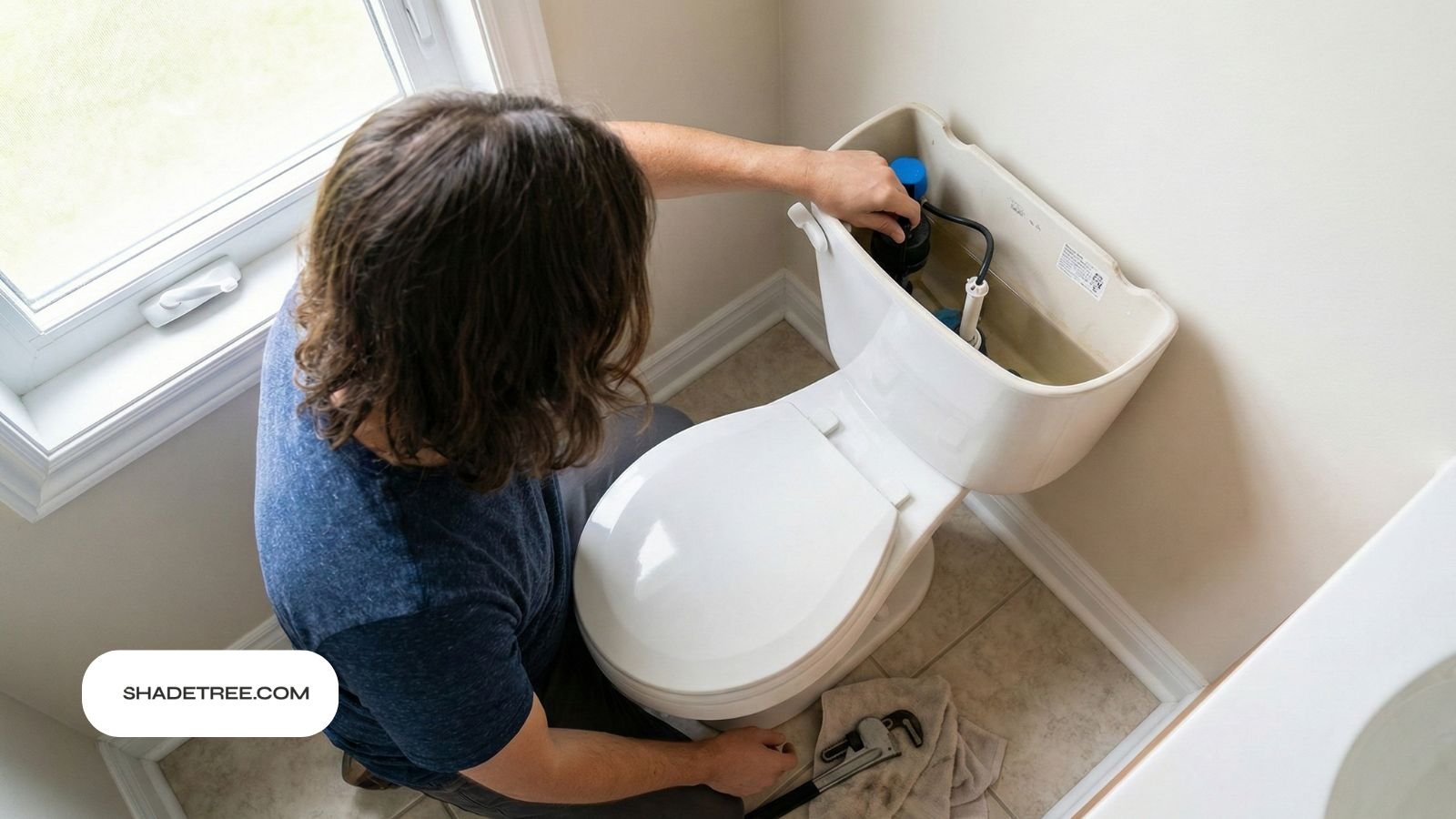
A toilet that whistles usually has too much water pressure in the tank or a broken fill valve. J&W Heating and Air says that this whistling sound happens when water vibrates through a valve that is worn out or blocked, making a high-pitched sound as the tank fills up again. Quickly fixing it protects your plumbing and stops your bathroom from wasting water.
Find the Source of the Whistle
The first step in fixing a whistling toilet is figuring out where the sound is coming from. Often, it’s a small part causing a big problem.
Check the fill valve: A worn or malfunctioning fill valve can vibrate, causing a high-pitched whistling sound when the tank fills.
Inspect the shut-off valve: Make sure the shut-off valve is fully open to allow proper water flow and prevent restricted water flow.
Look for debris: Mineral deposits or dirt can block the valve and create an annoying whistling sound inside the tank.
Adjust the float arm: A bent or misaligned float arm can cause the tank’s water level to fluctuate, leading to odd noises or continuous refilling.
Simple Fixes for a Quieter Toilet
Once you locate the issue, a few adjustments can stop the noise for good.
Replace the fill valve: Installing a modern fill valve helps regulate water flow and stops the whistling toilet sound.
Reduce water pressure: If your home has high water pressure, add a pressure-reducing valve to maintain optimal water pressure and prevent vibration.
Clean the flush valve: Remove debris or buildup inside the valve to restore smooth flow and eliminate the high-pitched noise.
Check the plumbing: If the problem continues, call a plumber to inspect the pipes, bowl, and drain for leaks or air pockets causing vibration.
What Happens If You Don’t Fix a Whistling Toilet?
A whistling toilet can seem like it's fine to ignore, but over time, it can cause big problems. Beyond Wow Plumbing says that a constant whistling sound might mean that there are leaks, that the pressure is too high, or that a fill valve is about to fail. If you don't do anything about the problem, you could get higher water bills, waste water, and even damage your plumbing.
Problems That Get Worse Over Time
A whistling sound is often a warning sign that something inside the system is wearing down.
Hidden leaks: Excess pressure or a broken seal can cause slow leaks from the tank to the bowl.
Worn seals: Continuous vibration can weaken internal parts, including the flush lever and flapper.
Pipe stress: High water pressure strains older pipes and fittings, increasing the risk of breaks.
Corrosion risk: Constant moisture can cause rust or lead exposure from aging plumbing materials.
When to Call a Professional
If you’ve tried cleaning and adjusting parts but the whistling noise continues, a professional plumber can diagnose the cause.
Persistent high-pitched noise: This usually points to a failing fill valve or internal blockage.
Old toilet models: Replace the fill valve if your toilet is more than ten years old.
Unsteady water level: A fluctuating tank’s water level suggests a leak or pressure problem.
Ongoing vibration: When you still hear the sound after flushing, it’s best to shut off the water supply and schedule a professional repair.
Fixing the issue early ensures your toilet runs quietly, protects your plumbing from strain, and saves you from unnecessary repair costs.
Why Does My Toilet Make a High-Pitched Sound?
One of the most common sounds that people who own a home hear is a toilet flushing whistle. Keefe’s Plumbing says that the changes in water pressure inside the tank cause parts like the fill valve or ballcock assembly to vibrate and make a high-pitched sound. This whistling noise is more than an annoying sound; it's a sign that a small mechanical issue could soon become a bigger plumbing problem.
If you hear a noise while refilling, it usually means that the water supply valve is clogged or there is a problem with the fill valve. These pieces control the tank's water flow. When one breaks, you might hear a soft whistle that gets louder as the water moves. The exact cause can range from trash blocking the water supply line to seals that are worn out and need to be replaced.
Common Causes of a High-Pitched Toilet Noise
A high-pitched sound in your toilet's plumbing system happens for several reasons, all connected to how water flows and fills the toilet tank.
Fill valve issue: A worn or malfunctioning fill valve vibrates when water passes through it, producing a soft whistle or high-pitched noise.
Blocked water supply line: Sediment or buildup can reduce pressure and make the toilet start making noise as it refills.
Loose ballcock assembly: If the ballcock assembly is old or misaligned, it can create vibration and uneven water flow.
Water supply valve partially closed: If not fully open, it restricts flow and increases the chance of whistling.
Simple Fixes for Homeowners
Most of the time, homeowners face this problem because of normal wear and tear. You can try a few easy steps to identify and fix it before calling a plumber.
Inspect the fill valve: Turn off the water supply valve and open the tank. If you notice damage or buildup, follow the manufacturer’s instructions to clean or replace the valve.
Check the water supply line: Ensure it’s not kinked or blocked. A clear, open line keeps water flowing smoothly and reduces noise.
Replace old parts: If the toilet continues making noise, consider replacing the ballcock assembly or fill valve entirely.
Keep pressure stable: Adjust the shutoff valve until you find the right balance of water flow—too much pressure often increases noise.
Taking time to identify the exact cause ensures your toilet runs quietly and efficiently, preventing costly repairs later.
How Much Does It Cost to Fix a Whistling Toilet?
Medium says that a whistling toilet's repair cost depends on what is making the toilet whistle. A small problem with the fill valve or blockage in the water supply line might only need a small change or cleaning. On the other hand, replacing parts like the ballcock assembly or fill valve can be more expensive.
Most of the time, the fix is cheap and easy to do. If homeowners put off repairs and let leaks or pressure damage get worse, they'll have to pay more to fix them later.
Cost Breakdown and Repair Options
DIY fix: Cleaning debris from the fill valve or water supply valve costs almost nothing and can stop minor noises.
Professional repair: Hiring a plumber costs around $120 to $300, depending on the exact cause and replacement parts needed.
Part replacement: A new modern fill valve is usually inexpensive and lasts longer, ensuring less maintenance.
Preventive maintenance: Regularly inspecting your toilet’s plumbing prevents issues and keeps noise away for years.
When to Replace vs. Repair
If your toilet whistle when flushed continues even after cleaning or adjusting parts, it may be time for a full replacement.
Old toilets: Replace the ballcock assembly or valve if over ten years old.
Recurrent noise: Persistent high-pitched sound signals worn parts or pressure imbalance.
DIY not working: If you can’t locate the issue, follow the manufacturer’s instructions for replacement or call a plumber.
Preventive step: Upgrading to newer, quieter components improves efficiency and extends your toilet’s lifespan.
Regular maintenance and quick action will keep your toilet’s plumbing quiet, functional, and cost-effective.
Final Thoughts
It's not a big deal if your toilet whistles, but it usually means that something in the plumbing isn't working right. Most of the time, the noise is caused by high water pressure, a problem with the fill valve, or something blocking the water supply line. Early repairs stop leaks and water waste, and save on future repair costs. If you’ve tried cleaning and fixing the parts but the toilet still whistles when it’s flushed, a plumber should look at the system. Keeping up with routine maintenance and replacing parts as they wear out will keep your bathroom quiet and your plumbing in great shape.
FAQs
Why does my toilet whistle when flushed?
It’s usually caused by a faulty fill valve issue or restricted water flow through the water supply line.
Can a faulty ballcock assembly cause a soft whistle?
Yes, when the ballcock assembly loosens or wears out, it can vibrate and create a soft whistle as the tank refills.
Is a high-pitched sound after flushing normal?
No, that high-pitched sound means air or debris is stuck in your toilet’s plumbing and needs cleaning or replacement parts.
What should I check first when my toilet starts making noise?
Inspect the fill valve, shut off the water supply valve, and make sure the water supply line isn’t blocked.
How can homeowners face fewer toilet noise problems?
Follow the manufacturer’s instructions for cleaning, replace worn valves regularly, and keep the water supply system free of debris to prevent common causes of whistling.
