Can Bed Bugs Live in Your Hair? Facts, Signs, And Where They Hide
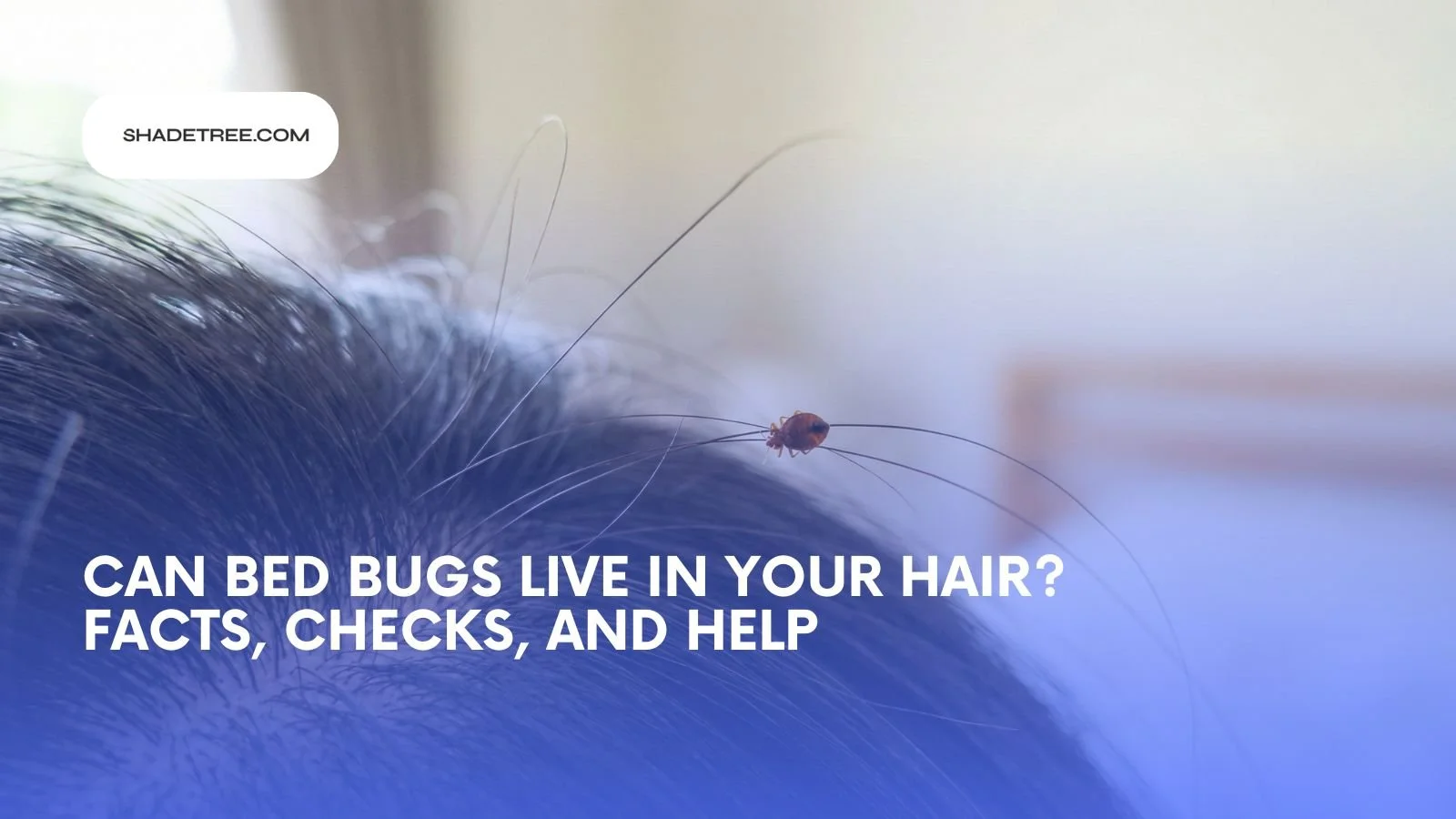
While you sleep, bed bugs can crawl across your hair, but they don't live in it. These pests would rather hide in pillows, bedding, furniture, and other things than on your body. They go back to a dark place after feeding on blood for a few minutes at night. This article talks about where bed bugs really like to hide and why they stay away from hair.
How Do You Know if Bed Bugs Are in Your Hair?
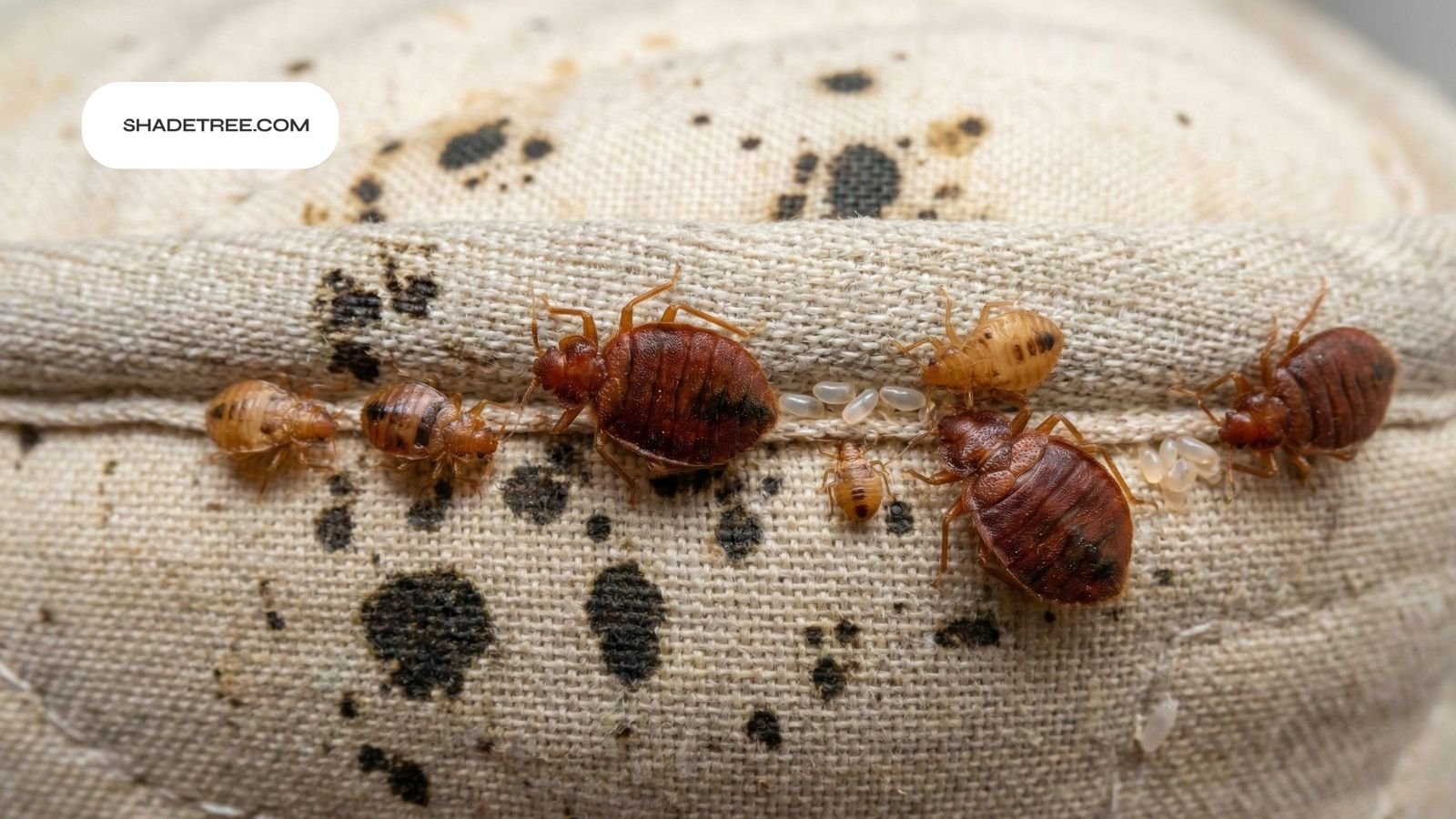
You may freak out if you find a bug in your hair, but can bed bugs actually live in your hair? The Cleveland Clinic says these pests don't live in human hair or scalps. Bed bugs prefer to live near places where people sleep, like in mattresses, box springs, or cracks in furniture. They feed at night and go back to hiding places before dawn. Bed bugs don't cling to hair or skin like lice or ticks do. Their bodies are flat and the size of an apple seed, so they aren't able to cling to things.
Signs and Symptoms on the Scalp
Bed bug bites can look like little red bumps or marks around the hairline or neck if the bugs crawl on you. These bites, on the other hand, usually show up on skin that isn't covered up instead of deep in the scalp. If you have bed bugs, you will not find them in your hair. You will find them in your bedding or furniture.
Itchy scalp: Caused by allergic reactions to bites.
Blood spots: Small stains on pillows or sheets after feeding.
Musty odor: A sweet smell from the bugs’ scent glands.
Visible bugs: Tiny reddish-brown insects seen by the naked eye.
How to Check Your Hair and Bedding
Use a fine comb under bright light to check for any bugs in your hair. Bed bugs don’t live in hair, so if you find them, they likely crawled there while you were asleep. Wash your hair and body with hot water and shampoo to kill bed bugs that might have contacted your scalp. Also inspect your pillow, bed frame, and clothing, where pests live for quite some time under the right conditions.
Inspect bedding: Look for black dots or shed skins.
Clean fabrics: Use high heat drying to prevent bed bugs from spreading.
Vacuum furniture: Focus on cracks, picture frames, and box springs.
Call experts: Professional exterminators can inspect hidden areas.
Where Do Bed Bugs Hide on Your Body?
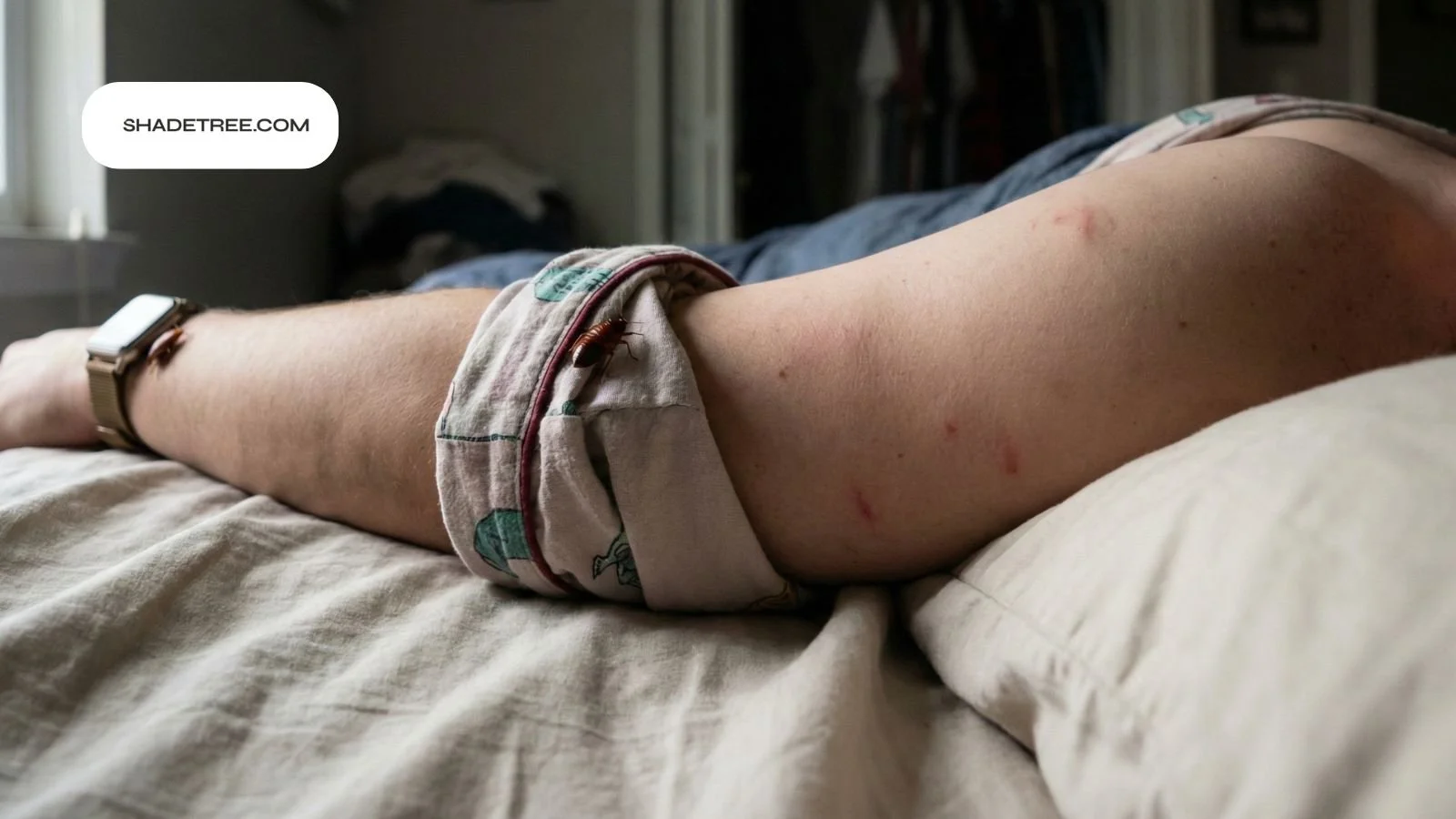
To feed, bed bugs crawl on human body, but they don't stay there for very long. According to the NaturePest guide, these pests prefer warm areas like the scalp, neck, or behind the ears when searching for blood meals. But bed bugs don't live on people's bodies because they don't like being moved around or exposed to light.
Common Body Hiding Spots
Bed bugs can rest briefly in warm areas while you are asleep but will return to furniture afterward. Their tiny flat shape lets them hide easily.
Hairline and neck: Temporary feeding area.
Armpits and waistline: Short-term hiding spots for warmth.
Legs and ankles: Frequent bite marks show feeding activity.
Behind knees and elbows: Moist, warm folds attract bugs.
Why Bed Bugs Don’t Stay Long on Skin
Bed bugs need stable shelter and don’t tolerate movement or light. They hide near beds, chairs, and other furniture, not on your body. Unlike lice, which cling to hair and lay eggs there, bed bugs cannot survive on a human scalp.
Poor grip: Bed bugs can’t cling to hair or skin.
Extreme conditions: Heat, washing, and exposure kill them.
Different behavior: Bed bugs feed and crawl away quickly.
Temporary contact: Bugs hide in bedding, not on the scalp.
Do Bed Bugs Wash Off in the Shower?
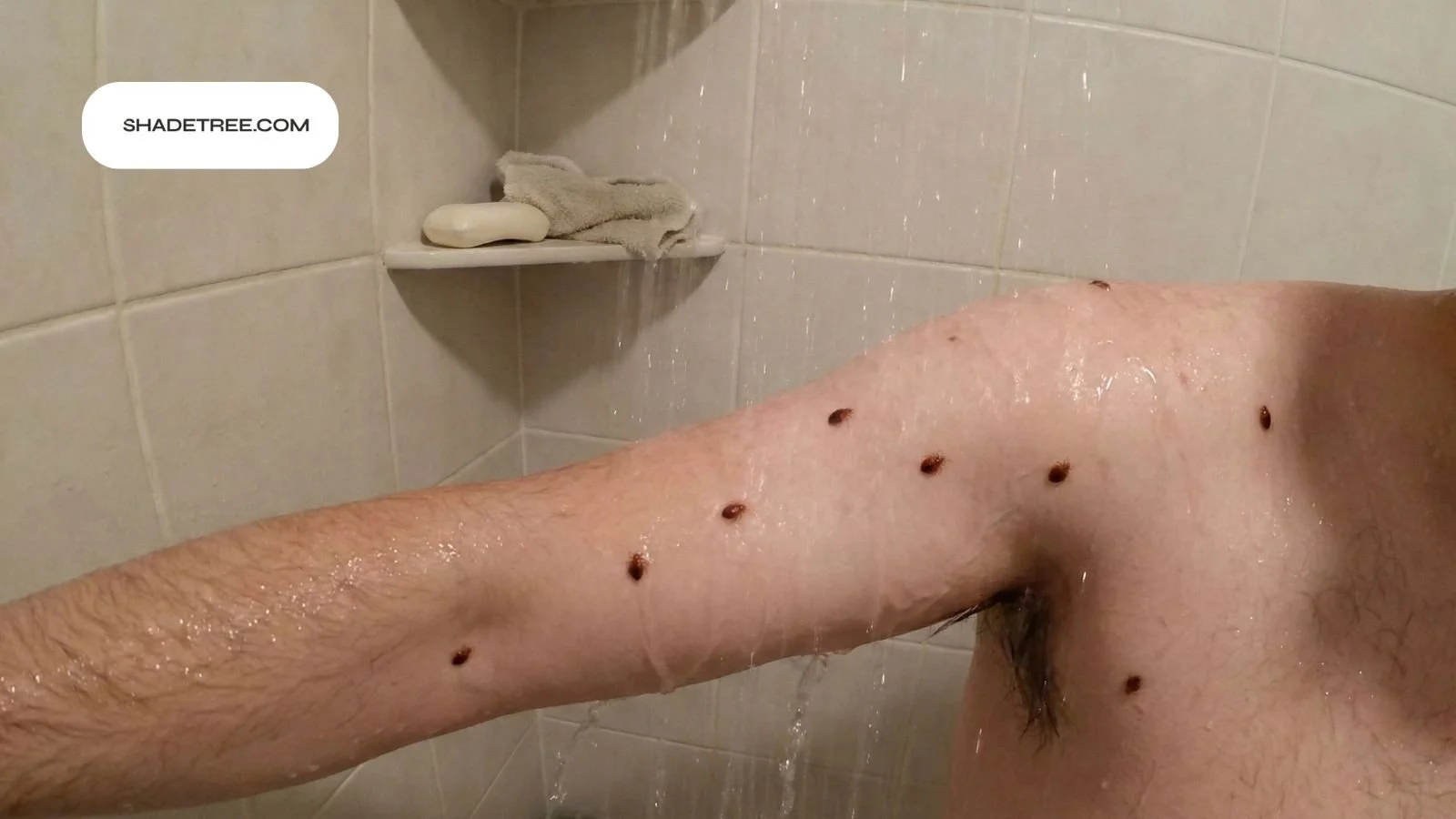
Healthline says that shampoo and hot water can easily get rid of bed bugs in hair or on the skin. Bed bugs only crawl on people to eat; they don't live on them. If you want to get rid of anything that may have touched your skin while you were sleeping, taking a bath is a good way to do it.
Effects of Bathing and Shampooing
Bed bugs are killed by washing with hot water or taking a hot shower. These pests can't hold on to skin or hair, and they die when they get wet with soap.
Hot water kills: Above 113°F eliminates live bugs and eggs.
Soap breaks contact: Removes bugs and residue from skin.
Clean clothes: Always wash clothing and sheets after suspected bites.
Heat treatment: Drying fabrics on high heat prevents future spread.
Misidentifying Other Bugs in Hair
People often confuse bed bugs with other pests. Lice cling to hair, fleas jump, and ticks burrow into skin. Bed bugs crawl but cannot stay attached.
Lice vs. bed bugs: Lice lay eggs on hair; bed bugs lay eggs in cracks.
Fleas: Feed on animals, not humans’ scalps.
Ticks: Remain attached for days; bed bugs leave after feeding.
If unsure: Consult a doctor or pest expert to confirm what type of bugs you have.
Regular cleaning, inspection, and using heat are simple ways to keep bed bugs away. If you suspect an infestation, professional exterminators can completely eliminate the problem and prevent bed bugs from coming back.
Can Bed Bugs Live in Your Pillow?
Since bed bugs can hide near your head, some people wonder if they really live in pillows. Orkin says that bed bugs may crawl into seams, zippers, or stitching when there is an active infestation, but they don't stay in pillows for long. These tiny bugs like to sleep close to their food source, which is people. They come out at night to feed and then go back to hiding places. Bed frames, mattresses, and pillowcases are common hiding spots for bed bugs to hide and lay eggs or leave black stains.
How Pillows Become Infested
When bed bugs get near a host, they follow heat and carbon dioxide released while a person sleeps. Bed bugs are often found in furniture or bedding, and pillow seams become temporary shelters. It doesn’t matter how clean the bed is; infestations can still happen after travel or contact with infested luggage.
Small signs: Tiny blood dots or bed bug bites on your pillow or sheets.
Odor clue: A musty, sweet smell where bed bugs hide.
Eggs and stains: Bed bug eggs stick to fabric or seams.
Travel risk: Bugs hide in luggage and spread easily.
How to Clean and Prevent Pillow Infestation
Washing pillowcases in hot water kills bugs and eggs, but washing alone is not enough. Always dry fabrics on high heat and vacuum surrounding furniture. The Orkin pest experts suggest using pillow encasements and calling professionals if bed bugs are found repeatedly.
Wash and dry: Hot water and heat remove live bugs.
Inspect regularly: Check zippers and seams for dark stains.
Avoid worry: Quick action prevents further trouble.
Call experts: Bed bug infestation control ensures complete removal.
What Brings Bed Bugs Out of Hiding?
Bed bugs are clever pests that move when they smell food close by. Mlily USA says that bed bugs are drawn to the heat of our bodies and the carbon dioxide we breathe out at night. That's why they come out when people are sleeping and still. These bed bug facts show that no one is safe from getting an infestation, even if their house is always clean.
What Attracts Bed Bugs to Humans
They don’t fly or jump but crawl toward heat and breath. Bed bugs feed quietly and hide afterward, leaving itchy bumps or red spots.
Heat and CO₂: Bed bugs follow body warmth and breath.
Human scent: Natural oils attract these tiny bugs.
Stillness: When asleep, humans make perfect targets.
Night activity: Bed bugs feed while people rest.
How to Prevent Bed Bugs from Finding You
Keeping bedding clean and inspecting luggage after travel are the best ways to prevent bed bugs. Vacuum furniture, seal cracks, and trim nails to reduce hiding spots. If itching or bed bug bites continue, professionals can eliminate the pests completely.
Inspect after travel: Check luggage and clothes for pests.
Wash regularly: Hot water prevents infestations.
Seal hiding spots: Fix cracks around furniture and walls.
Don’t panic: Infestations are rare and treatable with help.
Final Thoughts
While looking for food, bed bugs can crawl on your body for a little while, but they do not live on you. They like to stay hidden in bedding, furniture, and other warm spots that are near where people sleep. If you find bed bugs in your home, they probably came from a mattress or luggage, not from someone’s head. The best ways to keep pests out are cleaning often, washing sheets in hot water, and using a vacuum cleaner on cracks and seams. If you find bed bugs again after cleaning, you should call professional exterminators to get rid of them completely and protect your home from future problems.
FAQs
Where are bed bugs found most often?
Bed bugs are found in mattresses, box springs, bed frames, and furniture seams near where people sleep.
Can bed bugs live in hair for long?
No, bed bugs can’t live in your hair because they don’t cling like lice and fall off easily.
What should I do if bed bugs are found on my pillow?
Wash the pillow in hot water and dry it on high heat, then inspect nearby furniture and bedding.
How can I tell if bed bugs are found in my room?
Look for small reddish stains, shed skins, or live bugs near seams, cracks, and headboards.
Can bed bugs be found in clothes or luggage?
Yes, bed bugs are found in clothing and luggage after travel, so always inspect and wash them right away.
