Can You Paint Over Stained Wood? The Prep Steps That Make It Last
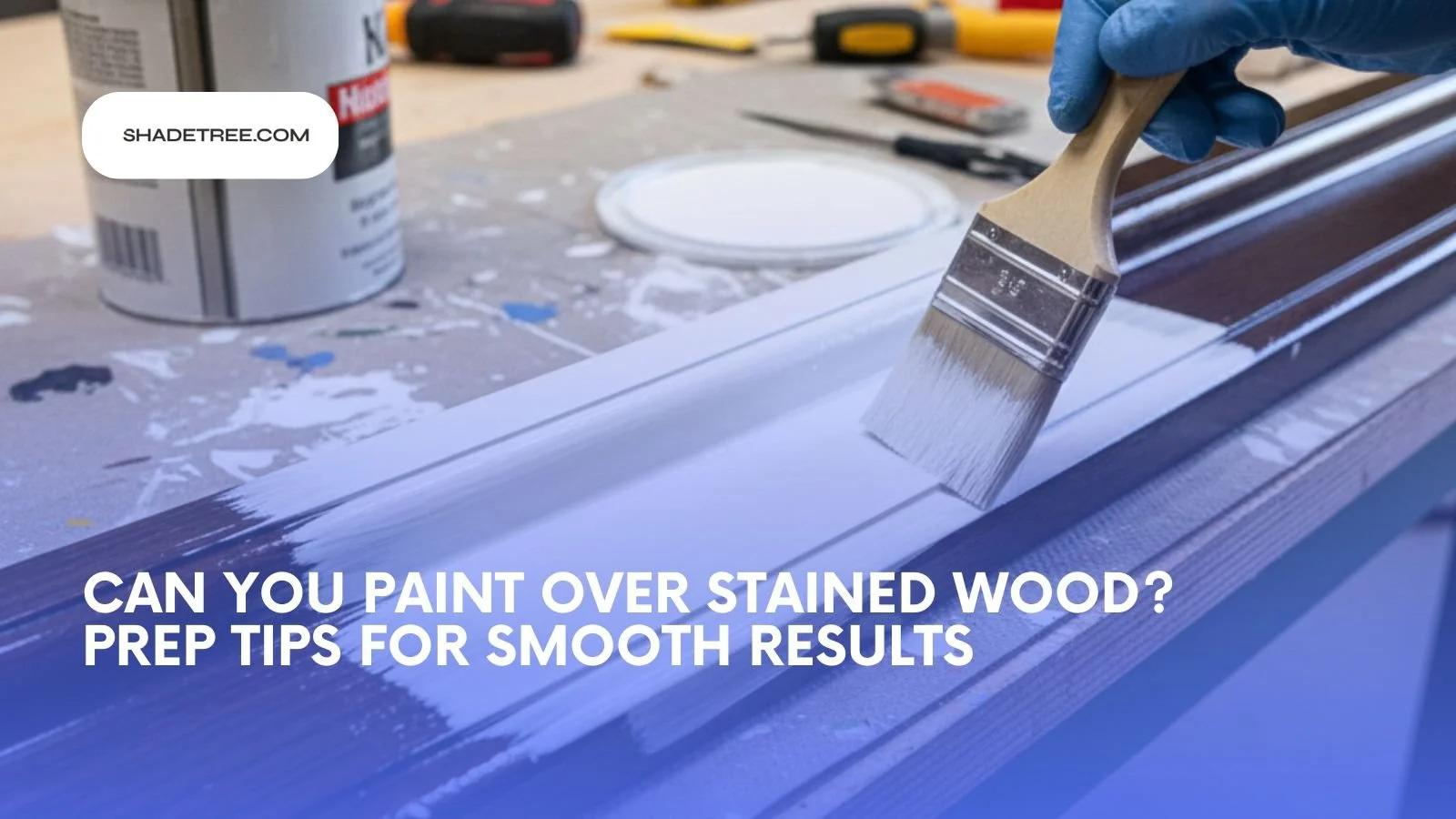
If you get the surface ready, you can paint over stained wood. Cleaning, sanding, and priming are all things that help paint stick and keep stains from showing through. Using the right primer and paint makes the job easier and more durable, whether you're changing out furniture, cabinets, or trim. Follow this guide to get a smooth, long-lasting, professional-looking finish when you paint over stained wood.
What Kind of Paint Can You Use on Stained Wood?
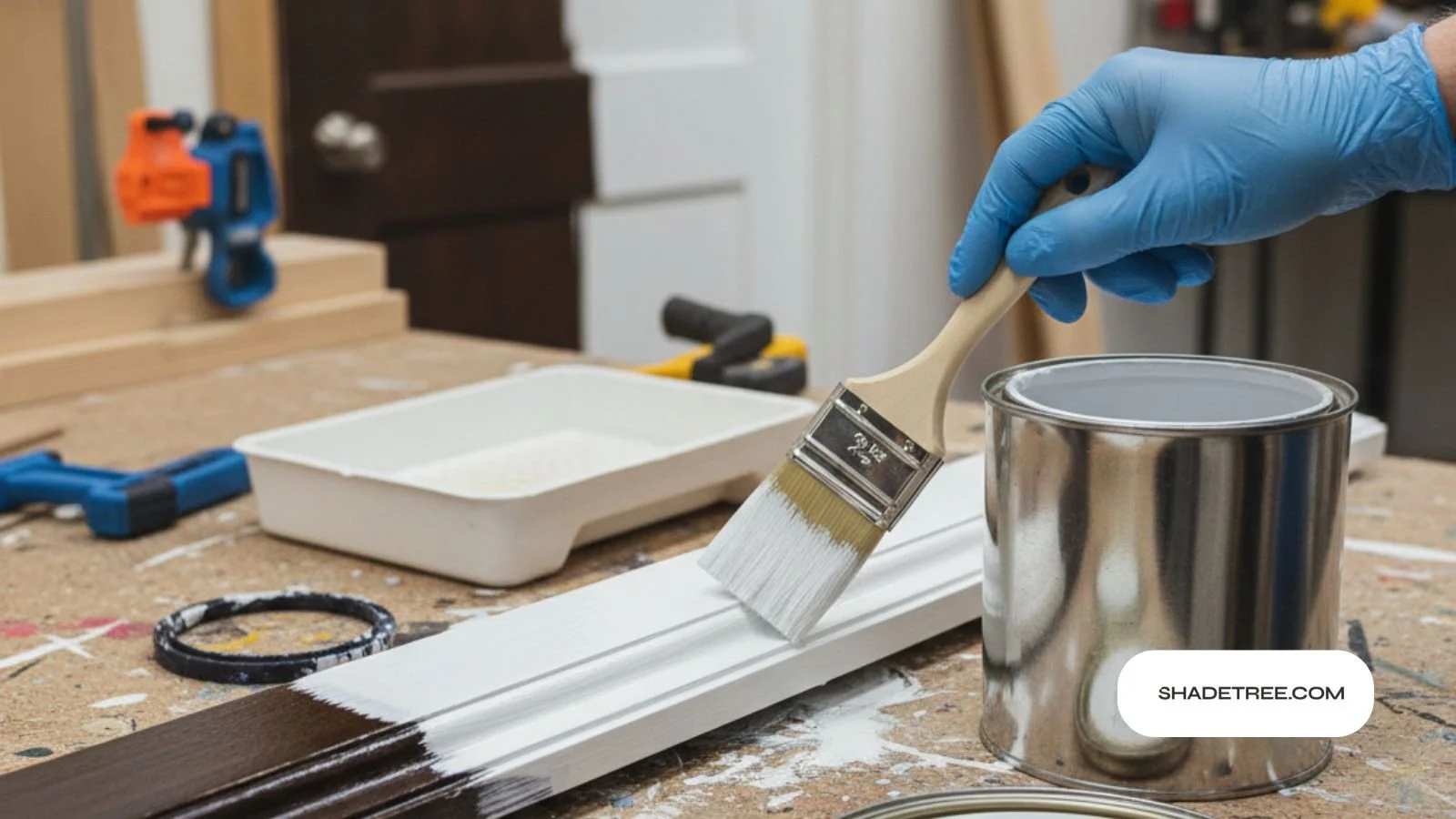
If you paint over stained wood, old furniture or trim can look like new again. Family Handyman says that if you get the surface ready and use the right paint, you can paint over stained wood. Using the right tools stops both dark and light stains from peeling and changing color. Oil-based and acrylic latex paints are both good options, depending on the look you want.
Before painting stained wood, clean the surface to remove grease, dust, or old clear coat. To help the best adhesion, make the surface rough by lightly sanding it or using liquid sandpaper. This helps the paint stick to the wood without leaving any lines. Always use painter's tape and drop cloths to protect surfaces close to where you are working, especially if you are working around stained trim or in corners that are hard to get to.
Best Paint Options for Stained Surfaces
The type of paint depends on the kind of wood stain and finish you’re covering.
Oil-based paint: Great for covering oil-based stain or dark stain. It provides a smooth surface and resists chipping.
Acrylic latex paint: Dries fast, ideal for painting stained wood indoors, such as cabinets or old doors.
Spray paint: Works well for detailed moldings and uneven areas but requires thin, even layers.
Solid stain or gel stain: Can also be used as a base coat if you prefer to keep the wood texture visible.
Benjamin Moore or similar brands: Offer high-quality paints for both raw wood and previously painted surfaces.
Preparing Stained Wood for Painting
Proper surface preparation prevents problems like tannin bleed or stain bleeds from showing through.
Clean thoroughly: Use mild soap or pressure washing for large surfaces.
Light sanding: Sand lightly to remove the gloss from the existing stain.
Remove dust: Wipe with a damp cloth to get a clean, smooth surface.
Dry completely: Always allow the surface to dry before applying the first coat.
This prep process helps ensure better coverage, especially when using new paint over an old stain that may have faded or aged unevenly.
What Is the Best Primer for Painting Over Stained Wood?
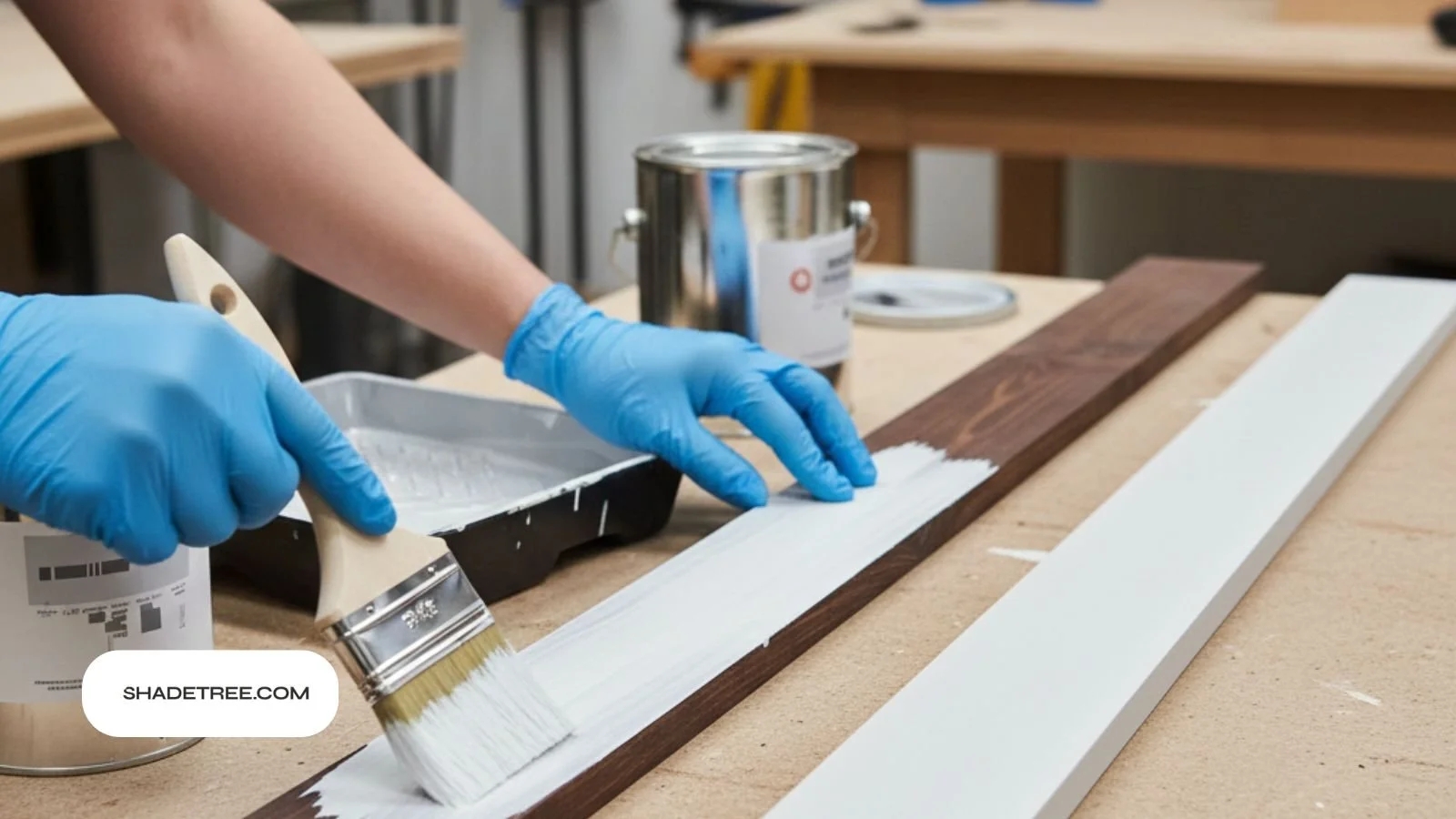
When you paint stained wood, priming is very important because it stops tannin bleed and makes sure the color is even all over. Brad The Painter says that stain-blocking primer stops oil- or water-based stains from getting through the new paint. When you paint over stained wood, especially if it's old furniture or trim, it's very important to use the right primer.
A primer that blocks stains, such as BIN shellac or an oil-based primer, stops color changes and bleed-through. These primers also give paint a smooth surface to work with so that it sticks evenly. If you keep an edge that is wet, you can avoid brush marks by putting the paint in thin layers.
Choosing the Right Primer
Different primers work better for specific types of stained wood.
Oil-based primer: Excellent for dark stains and deep wood tones.
Stain-blocking primer: Ideal for hiding old stains and preventing discoloration.
BIN shellac primer: Stops tannin bleed in problem woods like mahogany or oak.
Bonding primer: Useful for previously painted or sealed surfaces that resist adhesion.
How to Apply Primer for Best Results
The key to long-lasting paint over stained wood is applying primer correctly.
Sand lightly: Smooth out imperfections and ensure better adhesion.
Use thin coats: More than one coat may be necessary for strong colors.
Let it dry completely: Wait before applying the next layer or top coat.
Cover stain evenly: Make sure the primer fully hides the existing stain before painting.
Once the primer dries, apply your chosen paint smoothly using a brush or roller, following the wood grain for even coverage. A light sanding between coats can help maintain a flawless, professional finish.
Can You Paint Over Stained Wood Without Primer?
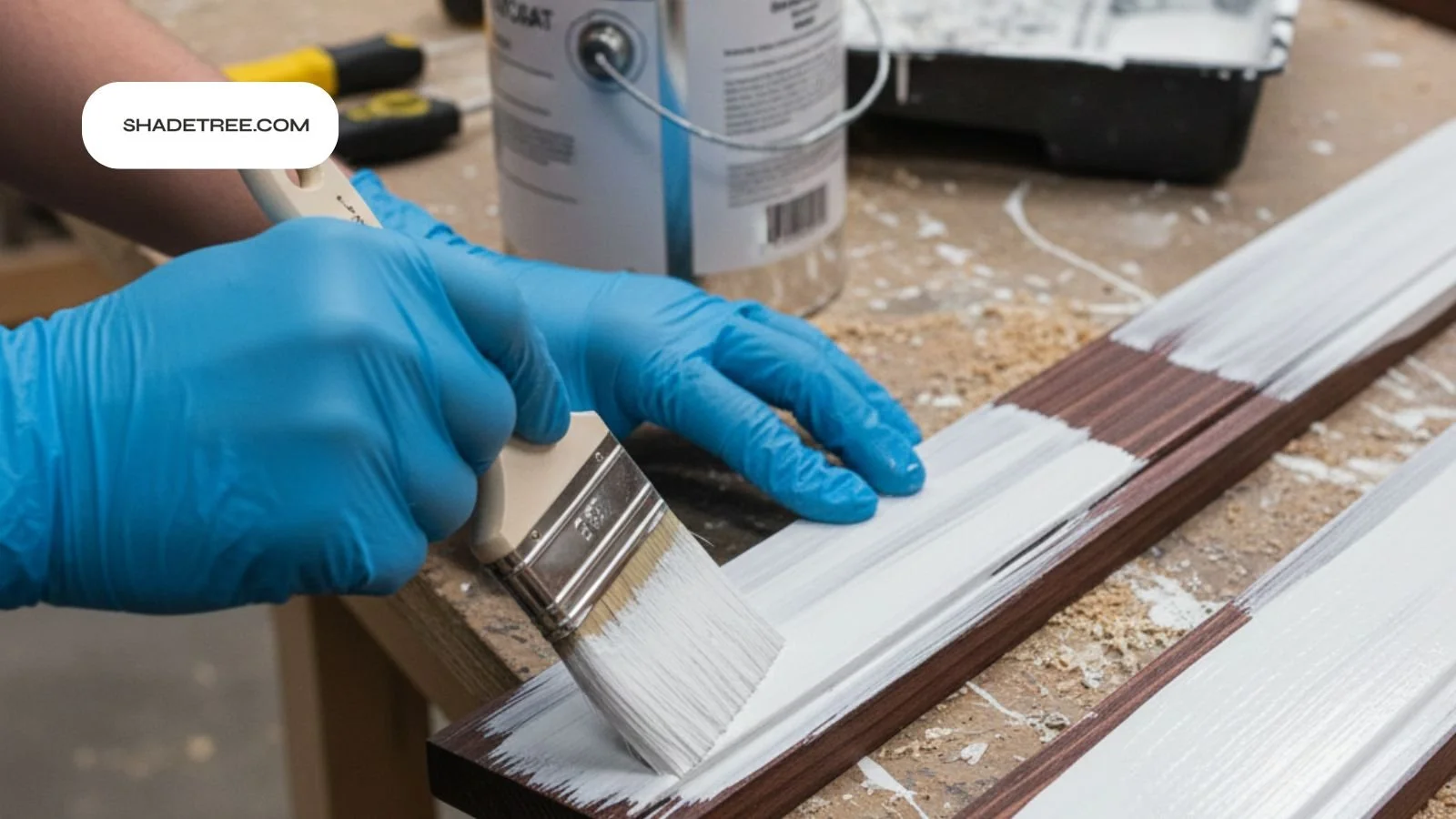
Yes, you can paint over stained wood without primer, but the condition of the surface matters. Angie’s Roost says that if you clean and sand stained wood just a little bit, paint can stick right to it, but not using primer makes stain bleeds and uneven color more likely. A primer forms a barrier that keeps oil-based stains in place and stops tannin from bleeding through your new paint.
When you paint over something that has already been painted or a dark stain, primer helps the paint stick better and makes it last longer. If you're working on a small project or something just for looks, like wall trim or furniture, you can paint over the old finish if you prepare it the right way. Before you put on the first coat of paint, make sure the surface is clean, sanded, and dry.
When You Can Skip Primer
In some cases, you can skip using a primer if you’re working on a low-traffic area or a surface that won’t be exposed to moisture.
Small projects: Tables, decorative trim, or shelves can handle paint without primer.
Paint and primer combo: Using a bonding formula allows you to paint over stained wood while still sealing the old stain.
Proper cleaning: Always remove dust, gloss, and grease with soap or liquid sandpaper.
Smooth surface: Lightly sand to dull any existing stain or varnish before you apply paint.
Risks of Painting Without Primer
Skipping primer when painting stained wood can cause long-term problems, especially with darker stains or old varnish.
Stain bleeds: Dark stain can show through lighter paint colors.
Tannin bleed: Oil-based stain releases natural tannins that discolor new paint.
Uneven color: Without a base coat, the paint absorbs unevenly into wood.
Peeling: Paint may chip or peel if applied over a glossy or oily surface.
To prevent issues, prime the surface when in doubt. It adds protection, ensures even coverage, and gives your paint job a professional look.
Can I Paint Over Stained Wood Without Sanding?
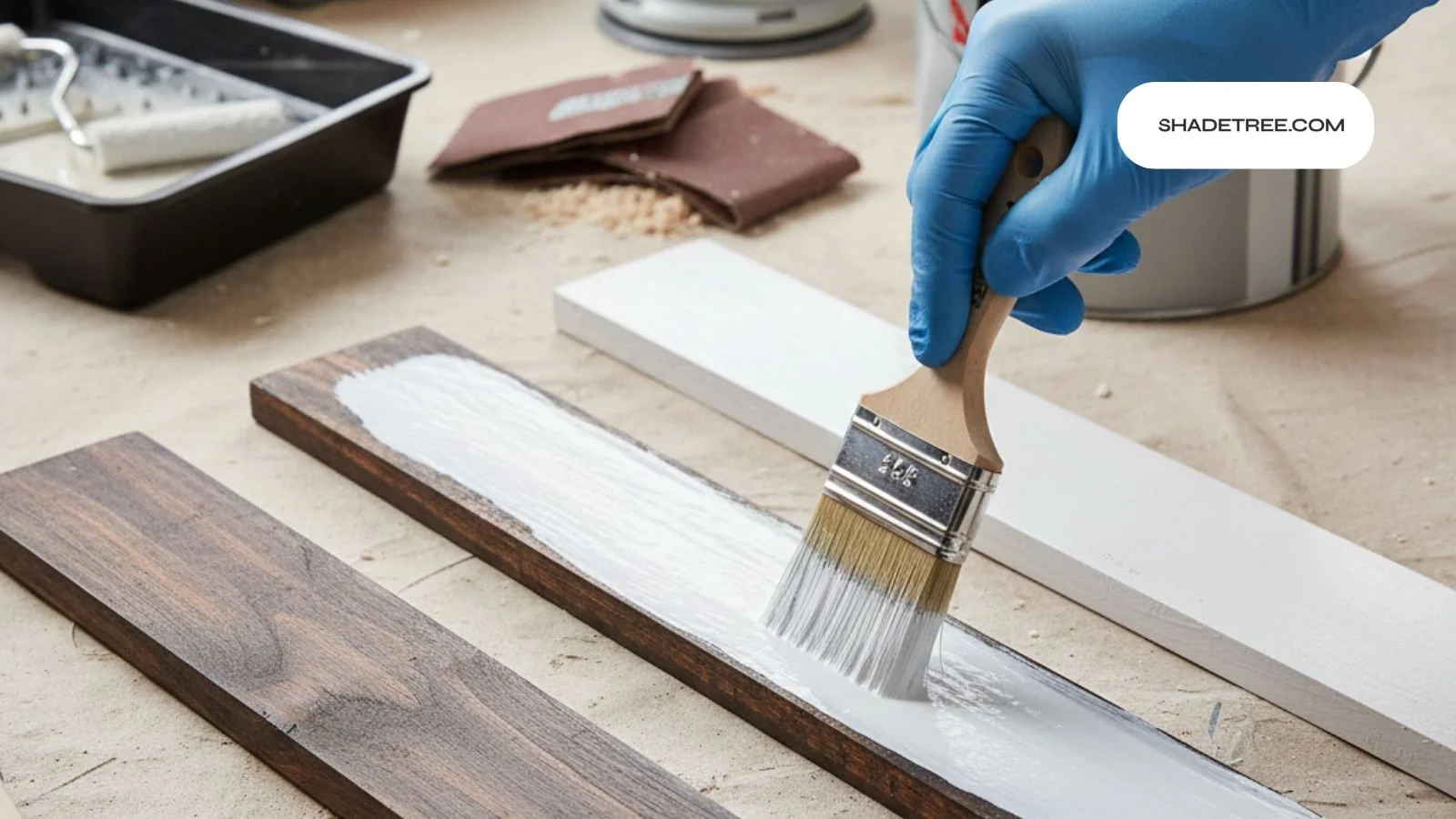
Most people think you have to sand stained wood before painting it, but Koehn Painting says you can skip that step if you use the right products. A bonding primer or BIN shellac-based primer helps paint stick to surfaces that are shiny or have already been painted. These stop bleeding and peeling while sealing the current stain.
Before you paint woodwork, trim, or doors that have an old stain on them, make sure to wipe them down with a deglosser first. For putting on thin, even layers, keep a good roller or soft brush close by. Do not add the first paint coat until the primer is fully dry so that moisture and dust do not get stuck.
Using Deglosser Instead of Sanding
Liquid sandpaper (also called deglosser) makes prep easier and reduces mess. It removes gloss and helps paint adhere without scratching the surface.
Apply properly: Wipe the deglosser evenly over the wood and let it sit for a few minutes.
Prime soon after: Apply oil-based primer or shellac once the surface feels dry.
Avoid buildup: Don’t oversaturate the cloth; too much product can affect adhesion.
When Sanding Is Still Necessary
Some projects still require sanding, especially those with heavy varnish or water-based stain that’s flaking.
Old finishes: Lightly sand old stain or varnish to remove imperfections.
Dark wood: Sand lightly to prevent streaks when painting with light colors.
Glossy surfaces: Dull glossy wood for better adhesion and smoother coats.
A small amount of prep goes a long way when painting stained wood. Even if you skip sanding, using the right primer or deglosser ensures a smooth, even finish that lasts.
Final Thoughts
Painting stained wood can change the way your space looks completely and make old furniture or trim look new again. No matter if you use a bonding primer or paint right away, you should always get the surface ready first to get the best results. For full coverage and long-lasting protection, use two coats, especially if you're working with a dark stain or a shiny surface. Good paint will cover up most stains, but a good sealer will keep your work safe. If the old paint is peeling or faded, the best way to make your new coat of paint last longer is to sand and prime it first.
FAQs
Can I paint over original paint on stained wood?
Yes, you can paint over original paint if the surface is clean and dry; use primer for best adhesion and coverage on most stains.
Do I need two coats when painting stained wood?
Yes, two coats help cover dark colors and ensure the paint bonds evenly for a smoother refinish.
Should I use a sealer after painting stained wood?
Using a sealer adds protection and helps the paint last longer, especially for furniture or trim.
Can most stains be painted over without sanding?
Most stains can be painted over if you use a bonding primer or deglosser; light sanding only improves the final result.
How do I refinish stained wood properly?
To refinish stained wood, clean it, lightly sand, prime, then apply two coats of paint followed by a sealer for long-term durability.
